
Articles | Volume 26, issue 2
https://doi.org/10.5194/we-26-119-2026
© Author(s) 2026. This work is distributed under
the Creative Commons Attribution 4.0 License.
the Creative Commons Attribution 4.0 License.
https://doi.org/10.5194/we-26-119-2026
© Author(s) 2026. This work is distributed under
the Creative Commons Attribution 4.0 License.
the Creative Commons Attribution 4.0 License.
Standard article
| 
29 Jul 2026
Standard article |
| 29 Jul 2026
| 29 Jul 2026
Forb species benefit more than grasses from a diverse arbuscular mycorrhizal fungal community in semi-arid grasslands
Yelyzaveta Shpilkina
CORRESPONDING AUTHOR

Instituto Multidisciplinar Para el Estudio del Medio “Ramón Margalef”, Universidad de Alicante, Carretera de San Vicente del Raspeig s/n, 03690 San Vicente del Raspeig, Spain
ICREA-Complex Systems Lab, University Pompeu Fabra, Dr. Aiguader 80, Barcelona 08003, Spain
Institut de Biologia Evolutiva, Pg. Maritim de la Barceloneta 37, Barcelona 08003, Spain
Martti Vasar
Department of Botany, Institute of Ecology and Earth Sciences, University of Tartu, J. Liivi tn. 2, 50409 Tartu, Estonia
Sergio Asensio
Instituto Multidisciplinar Para el Estudio del Medio “Ramón Margalef”, Universidad de Alicante, Carretera de San Vicente del Raspeig s/n, 03690 San Vicente del Raspeig, Spain
Grupo de Ecoloxía Animal (GEA), Universidad de Vigo, 36310 Vigo, Spain
Victoria Ochoa
Instituto Universitario de Investigación en el Olivar y Aceites de Oliva-INUO, Universidad de Jaén, 23071 Jaén, Spain
Beatriz Gozalo
Instituto Multidisciplinar Para el Estudio del Medio “Ramón Margalef”, Universidad de Alicante, Carretera de San Vicente del Raspeig s/n, 03690 San Vicente del Raspeig, Spain
Kolja Enste
Faculty of Biology, University of Bielefeld, Universitätsstr. 25, 33615 Bielefeld, Germany
Martin Zobel
Department of Botany, Institute of Ecology and Earth Sciences, University of Tartu, J. Liivi tn. 2, 50409 Tartu, Estonia
Francesco de Bello
Desertification Research Centre (CIDE), Carretera. Moncada-Náquera, Km 4,5. 46113 Valencia, Spain
Marcel van der Heijden
Agroscope, Reckenholzstrasse 191, 8046 Zürich, Switzerland
Fernando T. Maestre
Environmental Sciences and Engineering, Biological and Environmental Science and Engineering Division, King Abdullah University of Science and Technology, Thuwal, 23955-6900, Kingdom of Saudi Arabia
Lena Neuenkamp
Instituto Multidisciplinar Para el Estudio del Medio “Ramón Margalef”, Universidad de Alicante, Carretera de San Vicente del Raspeig s/n, 03690 San Vicente del Raspeig, Spain
Faculty of Biology, University of Bielefeld, Universitätsstr. 25, 33615 Bielefeld, Germany
Joint Institute for Individualisation in a Changing Environment (JICE), University of Münster and Bielefeld University, Münster and Bielefeld, Germany
Related authors
No articles found.
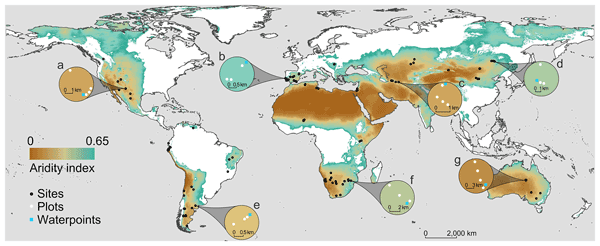
Fernando T. Maestre, David J. Eldridge, Nicolas Gross, Yoann Le Bagousse-Pinguet, Hugo Saiz, Beatriz Gozalo, Victoria Ochoa, and Juan J. Gaitán
Web Ecol., 22, 75–96, https://doi.org/10.5194/we-22-75-2022, https://doi.org/10.5194/we-22-75-2022, 2022
Short summary
Short summary
Here we introduce the BIODESERT survey, the first systematic field survey devoted to evaluating the joint impacts of grazing by domestic livestock and climate on the structure and functioning of dryland ecosystems worldwide. We describe the major characteristics and the field protocols used in this survey and the organizational aspects followed to carry it out succesfully.
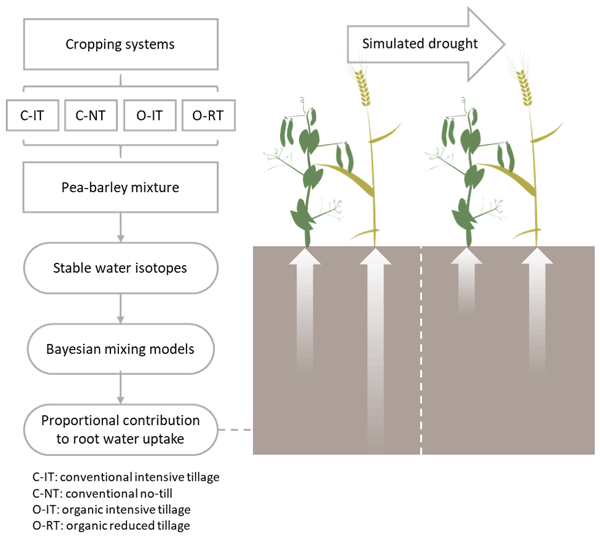
Qing Sun, Valentin H. Klaus, Raphaël Wittwer, Yujie Liu, Marcel G. A. van der Heijden, Anna K. Gilgen, and Nina Buchmann
Biogeosciences, 19, 1853–1869, https://doi.org/10.5194/bg-19-1853-2022, https://doi.org/10.5194/bg-19-1853-2022, 2022
Short summary
Short summary
Drought is one of the biggest challenges for future food production globally. During a simulated drought, pea and barley mainly relied on water from shallow soil depths, independent of different cropping systems.
Cited articles
Ali, A., Xu, M.-S., Zhao, Y.-T., Zhang, Q.-Q., Zhou, L.-L., Yang, X.-D., and Yan, E.-R.: Allometric biomass equations for shrub and small tree species in subtropical China, Silva Fenn., 49, https://doi.org/10.14214/sf.1275, 2015.
Augé, R. M., Toler, H. D., and Saxton, A. M.: Mycorrhizal Stimulation of Leaf Gas Exchange in Relation to Root Colonization, Shoot Size, Leaf Phosphorus and Nitrogen: A Quantitative Analysis of the Literature Using Meta-Regression, Front. Plant Sci., 7, https://doi.org/10.3389/fpls.2016.01084, 2016.
Brito, I., Carvalho, M., and Goss, M. J.: Managing the functional diversity of arbuscular mycorrhizal fungi for the sustainable intensification of crop production, Plants, People, Planet, 3, 491–505, https://doi.org/10.1002/ppp3.10212, 2021.
Cadotte, M. W., Cavender-Bares, J., Tilman, D., and Oakley, T. H.: Using Phylogenetic, Functional and Trait Diversity to Understand Patterns of Plant Community Productivity, PLoS One, 4, e5695, https://doi.org/10.1371/journal.pone.0005695, 2009.
Cadotte, M. W., Carscadden, K., and Mirotchnick, N.: Beyond species: functional diversity and the maintenance of ecological processes and services, J. Appl. Ecol., 48, 1079–1087, https://doi.org/10.1111/j.1365-2664.2011.02048.x, 2011.
Chaudhary, V. B., Nolimal, S., Sosa-Hernández, M. A., Egan, C., and Kastens, J.: Trait-based aerial dispersal of arbuscular mycorrhizal fungi, New Phytol., 228, 238–252, https://doi.org/10.1111/nph.16667, 2020.
Cheng, Z., Cui, Z., Shi, J., Liu, Y., La Pierre, K. J., and Wu, G.-L.: Plant functional types drive differential responses of grassland ecosystem functions along a precipitation gradient, Ecol. Indic., 133, 108433, https://doi.org/10.1016/j.ecolind.2021.108433, 2021.
Conti, G., Urcelay, C., Gundel, P. E., and Piñeiro, G.: The potential of arbuscular mycorrhizal fungi to improve soil organic carbon in agricultural ecosystems: A meta-analytical approach, Funct. Ecol., 39, 1016–1030, https://doi.org/10.1111/1365-2435.14753, 2025.
Da Silveira Pontes, L., Maire, V., Schellberg, J., and Louault, F.: Grass strategies and grassland community responses to environmental drivers: a review, Agron. Sustain. Dev., 35, 1297–1318, https://doi.org/10.1007/s13593-015-0314-1, 2015.
De Miranda, S. D. C., Bustamante, M., Palace, M., Hagen, S., Keller, M., and Ferreira, L. G.: Regional Variations in Biomass Distribution in Brazilian Savanna Woodland, Biotropica, 46, 125–138, https://doi.org/10.1111/btp.12095, 2014.
Delgado-Baquerizo, M., Maestre, F. T., Reich, P. B., Jeffries, T. C., Gaitan, J. J., Encinar, D., Berdugo, M., Campbell, C. D., and Singh, B. K.: Microbial diversity drives multifunctionality in terrestrial ecosystems, Nat. Commun., 7, 10541, https://doi.org/10.1038/ncomms10541, 2016.
Díaz, S. and Cabido, M.: Vive la différence: plant functional diversity matters to ecosystem processes, Trends Ecol. Evol., 16, 646–655, https://doi.org/10.1016/S0169-5347(01)02283-2, 2001.
Eisenhauer, N., Reich, P. B., and Scheu, S.: Increasing plant diversity effects on productivity with time due to delayed soil biota effects on plants, Basic Appl. Ecol., 13, 571–578, https://doi.org/10.1016/j.baae.2012.09.002, 2012.
Eisenhauer, N., Barnes, A. D., Cesarz, S., Craven, D., Ferlian, O., Gottschall, F., Hines, J., Sendek, A., Siebert, J., Thakur, M. P., and Türke, M.: Biodiversity–ecosystem function experiments reveal the mechanisms underlying the consequences of biodiversity change in real world ecosystems, J. Veg. Sci., 27, 1061–1070, https://doi.org/10.1111/jvs.12435, 2016.
Elliott, A. J., Daniell, T. J., Cameron, D. D., and Field, K. J.: A commercial arbuscular mycorrhizal inoculum increases root colonization across wheat cultivars but does not increase assimilation of mycorrhiza-acquired nutrients, Plants, People, Planet, 3, 588–599, https://doi.org/10.1002/ppp3.10094, 2020.
Fernández, J. A., Niell, F. X., and Lucena, J.: A rapid and sensitive automated determination of phosphate in natural waters1, Limnol. Oceanogr., 30, 227–230, https://doi.org/10.4319/lo.1985.30.1.0227, 1985.
Fox, J., Weisberg, S., Price, B., Adler, D., Bates, D., Baud-Bovy, G., Bolker, B., Ellison, S., Firth, D., Friendly, M., Gorjanc, G., Graves, S., Heiberger, R., Krivitsky, P., Laboissiere, R., Maechler, M., Monette, G., Murdoch, D., Nilsson, H., Ogle, D., Proctor, I., Ripley, B., Short, T., Venables, W., Walker, S., Winsemius, D., Zeileis, A., and R-Core: car: Companion to Applied Regression, https://doi.org/10.32614/CRAN.package.car, 2019.
George, N. P. and Ray, J. G.: The inevitability of arbuscular mycorrhiza for sustainability in organic agriculture – A critical review, Front. Sustain. Food Syst., 7, 1124688, https://doi.org/10.3389/fsufs.2023.1124688, 2023.
Godoy, R., Acuña, L., Silva-Flores, P., Aguilera, P., and Marín, C.: Native Arbuscular Mycorrhizal Fungi Improved Araucaria araucana Growth over Commercial Inoculum Under Greenhouse and Field Conditions, J. Soil Sci. Plant Nut., 23, 6459–6468, https://doi.org/10.1007/s42729-023-01501-2, 2023.
Gross, N., Bagousse-Pinguet, Y. L., Liancourt, P., Berdugo, M., Gotelli, N. J., and Maestre, F. T.: Functional trait diversity maximizes ecosystem multifunctionality, Nat. Ecol. Evol., 1, 0132, https://doi.org/10.1038/s41559-017-0132, 2017.
Guo, J., Bowatte, S., and Hou, F.: Diversity of endophytic bacteria and fungi in seeds of Elymus nutans growing in four locations of Qinghai Tibet Plateau, China, Plant Soil, 459, 49–63, https://doi.org/10.1007/s11104-020-04608-y, 2020.
Hart, M. M., Reader, R. J., and Klironomos, J. N.: Plant coexistence mediated by arbuscular mycorrhizal fungi, Trends Ecol. Evol., 18, 418–423, https://doi.org/10.1016/S0169-5347(03)00127-7, 2003.
Heinen, R., Biere, A., Harvey, J. A., and Bezemer, T. M.: Effects of Soil Organisms on Aboveground Plant-Insect Interactions in the Field: Patterns, Mechanisms and the Role of Methodology, Front. Ecol. Evol., 6, https://doi.org/10.3389/fevo.2018.00106, 2018.
Hiiesalu, I., Pärtel, M., Davison, J., Gerhold, P., Metsis, M., Moora, M., Öpik, M., Vasar, M., Zobel, M., and Wilson, S. D.: Species richness of arbuscular mycorrhizal fungi: associations with grassland plant richness and biomass, New Phytol., 203, 233–244, https://doi.org/10.1111/nph.12765, 2014.
Hoeksema, J. D., Chaudhary, V. B., Gehring, C. A., Johnson, N. C., Karst, J., Koide, R. T., Pringle, A., Zabinski, C., Bever, J. D., Moore, J. C., Wilson, G. W. T., Klironomos, J. N., and Umbanhowar, J.: A meta-analysis of context-dependency in plant response to inoculation with mycorrhizal fungi, Ecol. Lett., 13, 394–407, https://doi.org/10.1111/j.1461-0248.2009.01430.x, 2010.
Huff, S., Ritchie, M., and Temesgen, H.: Allometric equations for estimating aboveground biomass for common shrubs in northeastern California, Forest Ecol. Manag., 398, 48–63, https://doi.org/10.1016/j.foreco.2017.04.027, 2017.
Hussain, S., Sharif, M., and Ahmad, W.: Selection of efficient phosphorus solubilizing bacteria strains and mycorrhizea for enhanced cereal growth, root microbe status and N and P uptake in alkaline calcareous soil, Soil Sci. Plant Nutr., 67, 259–268, https://doi.org/10.1080/00380768.2021.1904793, 2021.
Ihrmark, K., Bödeker, I. T. M., Cruz-Martinez, K., Friberg, H., Kubartova, A., Schenck, J., Strid, Y., Stenlid, J., Brandström-Durling, M., Clemmensen, K. E., and Lindahl, B. D.: New primers to amplify the fungal ITS2 region – evaluation by 454-sequencing of artificial and natural communities, FEMS Microbiol. Ecol., 82, 666–677, https://doi.org/10.1111/j.1574-6941.2012.01437.x, 2012.
Islam, M. N., Germida, J. J., and Walley, F. L.: Survival of a commercial AM fungal inoculant and its impact on indigenous AM fungal communities in field soils, Appl. Soil Ecol., 166, 103979, https://doi.org/10.1016/j.apsoil.2021.103979, 2021.
Janoušková, M., Krak, K., Wagg, C., Štorchová, H., Caklová, P., and Vosátka, M.: Effects of Inoculum Additions in the Presence of a Preestablished Arbuscular Mycorrhizal Fungal Community, Appl. Environ. Microb., 79, 6507–6515, https://doi.org/10.1128/AEM.02135-13, 2013.
Janoušková, M., Krak, K., Vosátka, M., Püschel, D., and Štorchová, H.: Inoculation effects on root-colonizing arbuscular mycorrhizal fungal communities spread beyond directly inoculated plants, PLoS One, 12, e0181525, https://doi.org/10.1371/journal.pone.0181525, 2017.
Jansa, J., Finlay, R., Wallander, H., Smith, F. A., and Smith, S. E.: Role of Mycorrhizal Symbioses in Phosphorus Cycling, in: Phosphorus in Action: Biological Processes in Soil Phosphorus Cycling, edited by: Bünemann, E., Oberson, A., and Frossard, E., Springer, Berlin, Heidelberg, 137–168, https://doi.org/10.1007/978-3-642-15271-9_6, 2011.
Jia, Y., van der Heijden, M. G. A., Wagg, C., Feng, G., and Walder, F.: Symbiotic soil fungi enhance resistance and resilience of an experimental grassland to drought and nitrogen deposition, J. Ecol., 109, 3171–3181, https://doi.org/10.1111/1365-2745.13521, 2021.
Jing, X., Sanders, N. J., Shi, Y., Chu, H., Classen, A. T., Zhao, K., Chen, L., Shi, Y., Jiang, Y., and He, J.-S.: The links between ecosystem multifunctionality and above- and belowground biodiversity are mediated by climate, Nat. Commun., 6, 8159, https://doi.org/10.1038/ncomms9159, 2015.
Johnson, D., Vandenkoornhuyse, P. J., Leake, J. R., Gilbert, L., Booth, R. E., Grime, J. P., Young, J. P. W., and Read, D. J.: Plant communities affect arbuscular mycorrhizal fungal diversity and community composition in grassland microcosms, New Phytol., 161, 503–515, https://doi.org/10.1046/j.1469-8137.2003.00938.x, 2003.
Jung, S. C., Martinez-Medina, A., Lopez-Raez, J. A., and Pozo, M. J.: Mycorrhiza-Induced Resistance and Priming of Plant Defenses, J. Chem. Ecol., 38, 651–664, https://doi.org/10.1007/s10886-012-0134-6, 2012.
Klironomos, J., Zobel, M., Tibbett, M., Stock, W. D., Rillig, M. C., Parrent, J. L., Moora, M., Koch, A. M., Facelli, J. M., Facelli, E., Dickie, I. A., and Bever, J. D.: Forces that structure plant communities: quantifying the importance of the mycorrhizal symbiosis, New Phytol., 189, 366–370, https://doi.org/10.1111/j.1469-8137.2010.03550.x, 2010.
Kohout, P., Sudová, R., Janoušková, M., Čtvrtlíková, M., Hejda, M., Pánková, H., Slavíková, R., Štajerová, K., Vosátka, M., and Sýkorová, Z.: Comparison of commonly used primer sets for evaluating arbuscular mycorrhizal fungal communities: Is there a universal solution?, Soil Biol. Biochem., 68, 482–493, https://doi.org/10.1016/j.soilbio.2013.08.027, 2013.
Kojima, T., Jenkins, S., Weerasekara, A., and Fan, J.-W.: Arbuscular Mycorrhizal Diversity and Function in Grassland Ecosystems, in: Mycorrhizal Fungi: Use in Sustainable Agriculture and Land Restoration, edited by: Solaiman, Z. M., Abbott, L. K., and Varma, A., Springer, Berlin, Heidelberg, 149–169, https://doi.org/10.1007/978-3-662-45370-4_9, 2014.
Le Bagousse-Pinguet, Y., Gross, N., Saiz, H., Maestre, F. T., Ruiz, S., Dacal, M., Asensio, S., Ochoa, V., Gozalo, B., Cornelissen, J. H. C., Deschamps, L., García, C., Maire, V., Milla, R., Salinas, N., Wang, J., Singh, B. K., and García-Palacios, P.: Functional rarity and evenness are key facets of biodiversity to boost multifunctionality, P. Natl. Acad. Sci. USA, 118, e2019355118, https://doi.org/10.1073/pnas.2019355118, 2021.
Lekberg, Y., Vasar, M., Bullington, L. S., Sepp, S., Antunes, P. M., Bunn, R., Larkin, B. G., and Öpik, M.: More bang for the buck? Can arbuscular mycorrhizal fungal communities be characterized adequately alongside other fungi using general fungal primers?, New Phytol., 220, 971–976, https://doi.org/10.1111/nph.15035, 2018.
Lisner, A., Konečná, M., Blažek, P., and Lepš, J.: Community biomass is driven by dominants and their characteristics – The insight from a field biodiversity experiment with realistic species loss scenario, J. Ecol., 111, 240–250, https://doi.org/10.1111/1365-2745.14029, 2023.
Maestre, F. T. and Reynolds, J. F.: Nutrient Availability and Atmospheric CO2 Partial Pressure Modulate the Effects of Nutrient Heterogeneity on the Size Structure of Populations in Grassland Species, Ann. Bot., 98, 227–235, https://doi.org/10.1093/aob/mcl093, 2006.
Maestre, F. T., Bradford, M. A., and Reynolds, J. F.: Soil heterogeneity and community composition jointly influence grassland biomass, J. Veg. Sci., 17, 261–270, https://doi.org/10.1111/j.1654-1103.2006.tb02445.x, 2006.
Magoč, T. and Salzberg, S. L.: FLASH: fast length adjustment of short reads to improve genome assemblies, Bioinformatics, 27, 2957–2963, https://doi.org/10.1093/bioinformatics/btr507, 2011.
Maherali, H. and Klironomos, J. N.: Influence of phylogeny on fungal community assembly and ecosystem functioning, Science, 316, 1746–1748, https://doi.org/10.1126/science.1143082, 2007.
Mariotte, P., Meugnier, C., Johnson, D., Thébault, A., Spiegelberger, T., and Buttler, A.: Arbuscular mycorrhizal fungi reduce the differences in competitiveness between dominant and subordinate plant species, Mycorrhiza, 23, 267–277, https://doi.org/10.1007/s00572-012-0465-8, 2012.
McGonigle, T. P., Miller, M. H., Evans, D. G., Fairchild, G. L., and Swan, J. A.: A new method which gives an objective measure of colonization of roots by vesicular – arbuscular mycorrhizal fungi, New Phytol., 115, 495–501, https://doi.org/10.1111/j.1469-8137.1990.tb00476.x, 1990.
Millennium Ecosystem Assessment (Program) (Ed.): Ecosystems and human well-being: synthesis, Island Press, Washington, DC, 137 pp., ISBN: 1-59726-040-1, 2005.
Mulatu, A., Negash, M., and Asrat, Z.: Species-specific allometric models for reducing uncertainty in estimating above ground biomass at Moist Evergreen Afromontane Forest of Ethiopia, Sci. Rep.-UK, 14, 1147, https://doi.org/10.1038/s41598-023-51002-6, 2024.
Neuenkamp, L.: LoopingLena/MYFUN_experiment-paper_growthrate_grassdominance: v.1.2. RCode to MYFUN_experimental_paper1_grassdominance (MYFUN_experiment_RCode_paper1_v1.2), Zenodo [code], https://doi.org/10.5281/zenodo.20957440, 2026.
Neuenkamp, L. and Shpilkina, Y.: Dataset for “Effects of mycorrhizal fungi and the functional diversity of plants on ecosystem functioning: an experimental approach”, Zenodo [data set], https://doi.org/10.5281/zenodo.18924702, 2026.
Neuenkamp, L., Moora, M., Öpik, M., Davison, J., Gerz, M., Männistö, M., Jairus, T., Vasar, M., and Zobel, M.: The role of plant mycorrhizal type and status in modulating the relationship between plant and arbuscular mycorrhizal fungal communities, New Phytol., 220, 1236–1247, https://doi.org/10.1111/nph.14995, 2018.
Neuenkamp, L., Zobel, M., Lind, E., Gerz, M., and Moora, M.: Arbuscular mycorrhizal fungal community composition determines the competitive response of two grassland forbs, PLoS One, 14, e0219527, https://doi.org/10.1371/journal.pone.0219527, 2019.
Neuenkamp, L., García de León, D., Hamer, U., Hölzel, N., McGale, E., and Hannula, S. E.: Comprehensive tools for ecological restoration of soils foster sustainable use and resilience of agricultural land, Commun. Biol., 7, 1577, https://doi.org/10.1038/s42003-024-07275-2, 2024.
Nilsson, R. H., Larsson, K.-H., Taylor, A. F. S., Bengtsson-Palme, J., Jeppesen, T. S., Schigel, D., Kennedy, P., Picard, K., Glöckner, F. O., Tedersoo, L., Saar, I., Kõljalg, U., and Abarenkov, K.: The UNITE database for molecular identification of fungi: handling dark taxa and parallel taxonomic classifications, Nucleic Acids Res., 47, D259–D264, https://doi.org/10.1093/nar/gky1022, 2018.
Northup, B. K., Zitzer, S. F., Archer, S., McMurtry, C. R., and Boutton, T. W.: Above-ground biomass and carbon and nitrogen content of woody species in a subtropical thornscrub parkland, J. Arid Environ., 62, 23–43, https://doi.org/10.1016/j.jaridenv.2004.09.019, 2005.
Oehl, F., Laczko, E., Bogenrieder, A., Stahr, K., Bösch, R., van der Heijden, M., and Sieverding, E.: Soil type and land use intensity determine the composition of arbuscular mycorrhizal fungal communities, Soil Biol. Biochem., 42, 724–738, https://doi.org/10.1016/j.soilbio.2010.01.006, 2010.
Oksanen, J., Simpson, G. L., Blanchet, F. G., Kindt, R., Legendre, P., Minchin, P. R., O'Hara, R. B., Solymos, P., Stevens, M. H. H., Szoecs, E., Wagner, H., Barbour, M., Bedward, M., Bolker, B., Borcard, D., Borman, T., Carvalho, G., Chirico, M., Caceres, M. D., Durand, S., Evangelista, H. B. A., FitzJohn, R., Friendly, M., Furneaux, B., Hannigan, G., Hill, M. O., Lahti, L., Martino, C., McGlinn, D., Ouellette, M.-H., Cunha, E. R., Smith, T., Stier, A., Braak, C. J. F. T., and Weedon, J.: vegan: Community Ecology Package, https://doi.org/10.32614/CRAN.package.vegan, 2024.
Paudel, S., Longcore, T., MacDonald, B., McCormick, M. K., Szlavecz, K., Wilson, G. W. T., and Loss, S. R.: Belowground interactions with aboveground consequences: Invasive earthworms and arbuscular mycorrhizal fungi, Ecology, 97, 605–614, https://doi.org/10.1890/15-1085, 2016.
Pedersen, T. L.: patchwork: The Composer of Plots, https://doi.org/10.32614/CRAN.package.patchwork, 2024.
Põlme, S., Abarenkov, K., Nilsson, R. H., Lindahl, B. D., Clemmensen, K. E., Kauserud, H., Nguyen, N., Kjøller, R., Bates, S. T., Baldrian, P., Frøslev, T. G., Adojaan, K., Vizzini, A., Suija, A., Pfister, D., Baral, H.-O., Järv, H., Madrid, H., Nordén, J., Liu, J.-K., Pawlowska, J., Põldmaa, K., Pärtel, K., Runnel, K., Hansen, K., Larsson, K.-H., Hyde, K. D., Sandoval-Denis, M., Smith, M. E., Toome-Heller, M., Wijayawardene, N. N., Menolli, N., Reynolds, N. K., Drenkhan, R., Maharachchikumbura, S. S. N., Gibertoni, T. B., Læssøe, T., Davis, W., Tokarev, Y., Corrales, A., Soares, A. M., Agan, A., Machado, A. R., Argüelles-Moyao, A., Detheridge, A., De Meiras-Ottoni, A., Verbeken, A., Dutta, A. K., Cui, B.-K., Pradeep, C. K., Marín, C., Stanton, D., Gohar, D., Wanasinghe, D. N., Otsing, E., Aslani, F., Griffith, G. W., Lumbsch, T. H., Grossart, H.-P., Masigol, H., Timling, I., Hiiesalu, I., Oja, J., Kupagme, J. Y., Geml, J., Alvarez-Manjarrez, J., Ilves, K., Loit, K., Adamson, K., Nara, K., Küngas, K., Rojas-Jimenez, K., Bitenieks, K., Irinyi, L., Nagy, L. G., Soonvald, L., Zhou, L.-W., Wagner, L., Aime, M. C., Öpik, M., Mujica, M. I., Metsoja, M., Ryberg, M., Vasar, M., Murata, M., Nelsen, M. P., Cleary, M., Samarakoon, M. C., Doilom, M., Bahram, M., Hagh-Doust, N., Dulya, O., Johnston, P., Kohout, P., Chen, Q., Tian, Q., Nandi, R., Amiri, R., Perera, R. H., et al.: FungalTraits: a user-friendly traits database of fungi and fungus-like stramenopiles, Fungal Divers., 105, 1–16, https://doi.org/10.1007/s13225-020-00466-2, 2020.
Poorter, H., Niklas, K. J., Reich, P. B., Oleksyn, J., Poot, P., and Mommer, L.: Biomass allocation to leaves, stems and roots: meta-analyses of interspecific variation and environmental control, New Phytol., 193, 30–50, https://doi.org/10.1111/j.1469-8137.2011.03952.x, 2011.
Powell, J. R. and Rillig, M. C.: Biodiversity of arbuscular mycorrhizal fungi and ecosystem function, New Phytol., 220, 1059–1075, https://doi.org/10.1111/nph.15119, 2018.
Pozo, M. J., López-Ráez, J. A., Azcón-Aguilar, C., and García-Garrido, J. M.: Phytohormones as integrators of environmental signals in the regulation of mycorrhizal symbioses, New Phytol., 205, 1431–1436, https://doi.org/10.1111/nph.13252, 2015.
Qin, M., Li, L., Miranda, J.-P., Tang, Y., Song, B., Oosthuizen, M. K., and Wei, W.: Experimental duration determines the effect of arbuscular mycorrhizal fungi on plant biomass in pot experiments: A meta-analysis, Front. Plant Sci., 13, https://doi.org/10.3389/fpls.2022.1024874, 2022.
R Core Team: R: A Language and Environment for Statistical Computing, R Foundation for Statistical Computing, Vienna, Austria, https://www.R-project.org/ (last access: 15 June 2026), 2025.
Revelle, W.: psych: Procedures for Psychological, Psychometric, and Personality Research, https://doi.org/10.32614/CRAN.package.psych, 2023.
Rognes, T., Flouri, T., Nichols, B., Quince, C., and Mahé, F.: VSEARCH: a versatile open source tool for metagenomics, PeerJ, 4, e2584, https://doi.org/10.7717/peerj.2584, 2016.
Romero, F., Argüello, A., de Bruin, S., and van der Heijden, M. G. A.: The plant–mycorrhizal fungi collaboration gradient depends on plant functional group, Funct. Ecol., 37, 2386–2398, https://doi.org/10.1111/1365-2435.14395, 2023.
Roscher, C., Schumacher, J., Baade, J., Wilcke, W., Gleixner, G., Weisser, W. W., Schmid, B., and Schulze, E.-D.: The role of biodiversity for element cycling and trophic interactions: an experimental approach in a grassland community, Basic Appl. Ecol., 5, 107–121, https://doi.org/10.1078/1439-1791-00216, 2004.
Roscher, C., Schumacher, J., Gubsch, M., Lipowsky, A., Weigelt, A., Buchmann, N., Schmid, B., and Schulze, E.-D.: Using plant functional traits to explain Diversity–Productivity relationships, PLoS ONE, 7, e36760, https://doi.org/10.1371/journal.pone.0036760, 2012.
Sala, O. E. and Austin, A. T.: Methods of Estimating Aboveground Net Primary Productivity, in: Methods in Ecosystem Science, edited by: Sala, O. E., Jackson, R. B., Mooney, H. A., and Howarth, R. W., Springer New York, New York, NY, 31–43, https://doi.org/10.1007/978-1-4612-1224-9_3, 2000.
Sanaei, A., Ali, A., Ahmadaali, K., and Jahantab, E.: Generalized and species-specific prediction models for aboveground biomass in semi-steppe rangelands, J. Plant Ecol., 12, 428–437, https://doi.org/10.1093/jpe/rty037, 2018.
Schnitzer, S. A., Klironomos, J. N., Hille Ris Lambers, J., Kinkel, L. L., Reich, P. B., Xiao, K., Rillig, M. C., Sikes, B. A., Callaway, R. M., Mangan, S. A., Van Nes, E. H., and Scheffer, M.: Soil microbes drive the classic plant diversity–productivity pattern, Ecology, 92, 296–303, https://doi.org/10.1890/10-0773.1, 2011.
Schreiner, F.-R., Hölzel, N., Hamer, U., Hinderling, J., Irmscher, V., Paeenroudposhti, N. R., Prada-Salcedo, L. D., Prati, D., Vieira, S., and Neuenkamp, L.: Slow and context-dependent: Responses to grassland extensification across a comprehensive set of ecosystem attributes, Agr. Ecosyst. Environ., 401, 110277, https://doi.org/10.1016/j.agee.2026.110277, 2026.
Sepp, S.-K., Davison, J., Moora, M., Neuenkamp, L., Oja, J., Roslin, T., Vasar, M., Öpik, M., and Zobel, M.: Woody encroachment in grassland elicits complex changes in the functional structure of above- and belowground biota, Ecosphere, 12, e03512, https://doi.org/10.1002/ecs2.3512, 2021.
Shipley, B., Lechowicz, M. J., Wright, I., and Reich, P. B.: Fundamental Trade-Offs Generating the Worldwide Leaf Economics Spectrum, Ecology, 87, 535–541, https://doi.org/10.1890/05-1051, 2006.
Sims, G. K., Ellsworth, T. R., and Mulvaney, R. L.: Microscale determination of inorganic nitrogen in water and soil extracts, Commun. Soil Sci. Plan., 26, 303–316, https://doi.org/10.1080/00103629509369298, 1995.
Smith, S. E. and Read, D. J.: Mycorrhizal symbiosis, 3rd edn., Academic Press, Amsterdam Boston, ISBN 9780080559346, 2008.
Smith, S. E. and Smith, F. A.: Roles of Arbuscular Mycorrhizas in Plant Nutrition and Growth: New Paradigms from Cellular to Ecosystem Scales, Annu. Rev. Plant Biol., 62, 227–250, https://doi.org/10.1146/annurev-arplant-042110-103846, 2011.
Tedersoo, L., Bahram, M., and Zobel, M.: How mycorrhizal associations drive plant population and community biology, Science, 367, eaba1223, https://doi.org/10.1126/science.aba1223, 2020.
Tilman, D., Wedin, D., and Knops, J.: Productivity and sustainability influenced by biodiversity in grassland ecosystems, Nature, 379, 718–720, https://doi.org/10.1038/379718a0, 1996.
Tilman, D., Knops, J., Wedin, D., Reich, P., Ritchie, M., and Siemann, E.: The Influence of Functional Diversity and Composition on Ecosystem Processes, Science, 277, 1300–1302, https://doi.org/10.1126/science.277.5330.1300, 1997.
Van Der Heijden, M. G. A.: Arbuscular Mycorrhizal Fungi as a Determinant of Plant Diversity: in Search of Underlying Mechanisms and General Principles, in: Mycorrhizal Ecology, vol. 157, edited by: Van Der Heijden, M. G. A. and Sanders, I. R., Springer Berlin Heidelberg, Berlin, Heidelberg, 243–265, https://doi.org/10.1007/978-3-540-38364-2_10, 2002.
Van Der Heijden, M. G. A., Klironomos, J. N., Ursic, M., Moutoglis, P., Streitwolf-Engel, R., Boller, T., Wiemken, A., and Sanders, I. R.: Mycorrhizal fungal diversity determines plant biodiversity, ecosystem variability and productivity, Nature, 396, 69–72, https://doi.org/10.1038/23932, 1998.
Van Der Heijden, M. G. A., Bardgett, R. D., and Van Straalen, N. M.: The unseen majority: soil microbes as drivers of plant diversity and productivity in terrestrial ecosystems, Ecol. Lett., 11, 296–310, https://doi.org/10.1111/j.1461-0248.2007.01139.x, 2008.
Van Der Heijden, M. G. A., Martin, F. M., Selosse, M., and Sanders, I. R.: Mycorrhizal ecology and evolution: the past, the present, and the future, New Phytol., 205, 1406–1423, https://doi.org/10.1111/nph.13288, 2015.
van Ruijven, J., Ampt, E., Francioli, D., and Mommer, L.: Do soil-borne fungal pathogens mediate plant diversity–productivity relationships? Evidence and future opportunities, J. Ecol., 108, 1810–1821, https://doi.org/10.1111/1365-2745.13388, 2020.
Vasar, M., Davison, J., Neuenkamp, L., Sepp, S.-K., Young, J. P. W., Moora, M., and Öpik, M.: User-friendly bioinformatics pipeline gDAT (graphical downstream analysis tool) for analysing rDNA sequences, Mol. Ecol. Resour., 21, 1380–1392, https://doi.org/10.1111/1755-0998.13340, 2021.
Vierna, J., Doña, J., Vizcaíno, A., Serrano, D., and Jovani, R.: PCR cycles above routine numbers do not compromise high-throughput DNA barcoding results, Genome, 60, 868–873, https://doi.org/10.1139/gen-2017-0081, 2017.
Vogelsang, K. M., Reynolds, H. L., and Bever, J. D.: Mycorrhizal fungal identity and richness determine the diversity and productivity of a tallgrass prairie system, New Phytol., 172, 554–562, https://doi.org/10.1111/j.1469-8137.2006.01854.x, 2006.
Wagg, C., Jansa, J., Schmid, B., and van der Heijden, M. G. A.: Belowground biodiversity effects of plant symbionts support aboveground productivity, Ecol. Lett., 14, 1001–1009, https://doi.org/10.1111/j.1461-0248.2011.01666.x, 2011.
Wagg, C., Bender, S. F., Widmer, F., and Van Der Heijden, M. G. A.: Soil biodiversity and soil community composition determine ecosystem multifunctionality, P. Natl. Acad. Sci. USA, 111, 5266–5270, https://doi.org/10.1073/pnas.1320054111, 2014.
Wagg, C., Veiga, R., and Van Der Heijden, M. G. A.: Facilitation and Antagonism in Mycorrhizal Networks, in: Mycorrhizal Networks, vol. 224, edited by: Horton, T. R., Springer Netherlands, Dordrecht, 203–226, https://doi.org/10.1007/978-94-017-7395-9_7, 2015.
Weigelt, A., Mommer, L., Andraczek, K., Iversen, C. M., Bergmann, J., Bruelheide, H., Fan, Y., Freschet, G. T., Guerrero-Ramírez, N. R., Kattge, J., Kuyper, T. W., Laughlin, D. C., Meier, I. C., van der Plas, F., Poorter, H., Roumet, C., van Ruijven, J., Sabatini, F. M., Semchenko, M., Sweeney, C. J., Valverde-Barrantes, O. J., York, L. M., and McCormack, M. L.: An integrated framework of plant form and function: the belowground perspective, New Phytol., 232, 42–59, https://doi.org/10.1111/nph.17590, 2021.
Weiner, J.: Asymmetric competition in plant populations, Trends Ecol. Evol., 5, 360–364, https://doi.org/10.1016/0169-5347(90)90095-U, 1990.
White, T. J., Bruns, T., Lee, S., and Taylor, J.: Amplification and direct sequencing of fungal ribosomal RNA genes for phylogenetics, in: PCR Protocols, edited by: Innis, M. A., Gelfand, D. H., Sninsky, J. J., and White, T. J., Academic Press, San Diego, 315–322, https://doi.org/10.1016/B978-0-12-372180-8.50042-1, 1990.
Wickham, H.: ggplot2: Elegant Graphics for Data Analysis, Springer-Verlag New York, ISBN 978-3-319-24277-4, 2016.
Wickham, H.: Reshaping data with the reshape package, J. Stat. Softw., 21, 1–20, https://www.jstatsoft.org/v21/i12/ (last access: 23 July 2026), 2007.
Wickham, H., Chang, W., Henry, L., Pedersen, T. L., Takahashi, K., Wilke, C., Woo, K., Yutani, H., Dunnington, D., van den Brand, T., Posit, and PBC: ggplot2: Create Elegant Data Visualisations Using the Grammar of Graphics, https://doi.org/10.32614/CRAN.package.ggplot2, 2025.
Wubs, E. R. J., Van Der Putten, W. H., Bosch, M., and Bezemer, T. M.: Soil inoculation steers restoration of terrestrial ecosystems, Nat. Plants, 2, 16107, https://doi.org/10.1038/nplants.2016.107, 2016.
Yang, H., Dai, Y., Wang, X., Zhang, Q., Zhu, L., and Bian, X.: Meta-Analysis of Interactions between Arbuscular Mycorrhizal Fungi and Biotic Stressors of Plants, Sci. World J., 2014, 746506, https://doi.org/10.1155/2014/746506, 2014.
Zhang, E., Wang, Y., Crowther, T. W., Sun, W., Chen, S., Zhou, D., Shangguan, Z., Huang, J., He, J.-S., Wang, Y., Sheng, J., Tang, L., Li, X., Dong, M., Wu, Y., Hu, S., Bai, Y., and Yu, G.: Mycorrhiza increases plant diversity and soil carbon storage in grasslands, P. Natl. Acad. Sci. USA, 122, e2412556122, https://doi.org/10.1073/pnas.2412556122, 2025.
Zuur, A., Ieno, E. N., Walker, N., Saveliev, A. A., and Smith, G. M.: Mixed Effects Models and Extensions in Ecology with R, Springer Science & Business Media, 579 pp., https://doi.org/10.1007/978-0-387-87458-6, 2009.
Zuur, A. F., Ieno, E. N., and Elphick, C. S.: A protocol for data exploration to avoid common statistical problems: Data exploration, Methods Ecol. Evol., 1, 3–14, https://doi.org/10.1111/j.2041-210X.2009.00001.x, 2010.
Short summary
Our greenhouse study shows arbuscular mycorrhizal fungi drive robust root growth, while grasses boost aboveground yield. Crucially, commercial treatments can reduce fungal diversity, whereas forbs thrive with more diverse fungal communities. This research is vital for sustainable agriculture, proving that simply adding fungi is not enough. We must understand these specific interactions to truly enhance soil biodiversity and ecosystem health.
Our greenhouse study shows arbuscular mycorrhizal fungi drive robust root growth, while...


